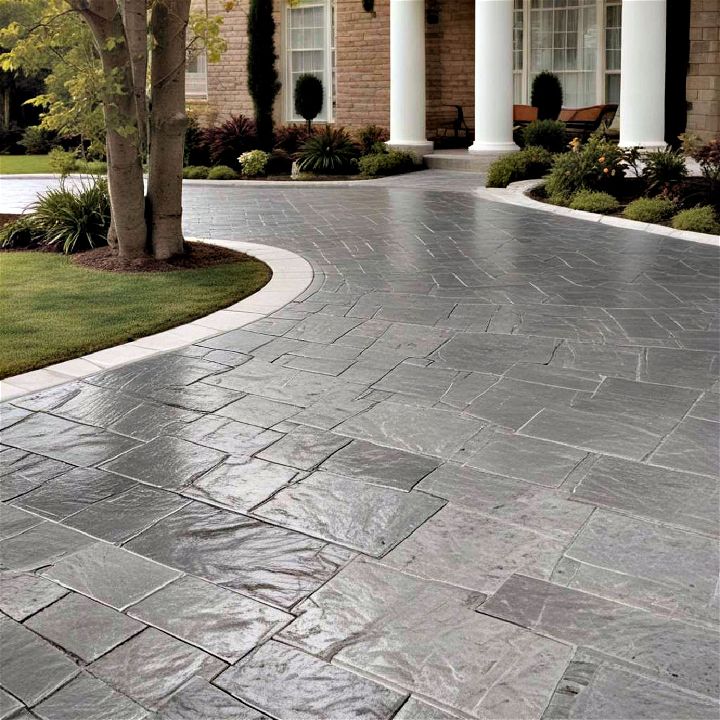
Choosing the right approach for installing an concrete driveway can be an challenging choice for homeowners in Ontario. With the unique challenges posed by the province's harsh climate, particularly its freeze-thaw cycles, it is crucial to consider both do-it-yourself options and the benefits of contracting professional contractors. Understanding how to create a durable driveway that can endure the demands of winter is key in ensuring longevity and maintaining home value.
In this article, we will explore the important factors to consider when opting for a concrete driveway. We will discuss how the frigid winters affect the construction and maintenance of driveways, outline various finishing techniques, and provide insights on preparing the base properly. Additionally, we will address the costs associated with professional services, the importance of adequate curing, and ways to protect your asset from common pitfalls such as fissuring and surface spalling. Whether you are planning on going the DIY way or hiring a professional, this thorough guide will help you make an wise decision.
Understanding Ontario's Frost-Thaw Cycles
Ontario undergoes significant freeze-thaw patterns during the winter season, which can significantly impact on concrete surfaces. Throughout the day, temperatures may increase above freezing, causing frozen precipitation to melt. As night comes, temperatures frequently decrease again, leading to the refreeze. This repeated cycle puts pressure on the concrete, as the water that penetrates the surface swells when frozen, likely leading to cracks and surface damage.
To lessen the effects of freeze-thaw patterns, proper setup procedures are essential. This includes making sure that the concrete mix contains correct air-entraining agents, which aid form tiny air pockets that alleviate internal pressure from swelling ice. Additionally, using a well-prepared base, sufficient thickness, and expansion joints can assist manage the stresses that arise from these patterns, thus prolonging the longevity of the driveway.
Homeowners in Ontario should also consider coating their driveways to minimize water infiltration. driveway contractors -grade concrete sealer can provide a shield against moisture, providing additional protection of the driveway from the adverse effects of freeze-thaw cycles. Regular care, such as inspecting for fractures and recoating as needed, is crucial for maintaining the integrity of concrete driveways in this difficult climate.
Comparative Analysis: Concrete vs. Blacktop
When considering a surface for your property in Ontario, both concrete and asphalt have their merits, but they respond in distinct ways to the region's severe winters. driveway replacement are known for their durability and long service life, typically lasting 30 years or more with proper maintenance. They can withstand the freeze-thaw effect better than blacktop, which can become soft and develop grooves in high temperatures, while also being more resistant to breakage. However, once cement does crack, it can be more challenging to fix compared to blacktop.
On the other hand, blacktop pavements tend to be more affordable at first and can be set up more quickly than concrete. They offer some give in terms of expansion due to heat and can handle small shifts in ground, reducing the risk of breakage from freeze-thaw cycles. However, they need consistent maintenance, including sealing every 1-3 years, to prevent wear and tear due to UV rays, petroleum leaks, and weather exposure. In driveway contractors like Canada, the need for frequent repairs could offset the initial cost savings over time.
Ultimately, the choice between cement and asphalt should consider factors such as budget, aesthetic preference, and long-term maintenance. While concrete offers a more robust and low-maintenance option for chilly areas, blacktop may be appealing for those looking for a more cost-effective solution that aligns with their needs for flexibility and ease of repair. Understanding how each material acts under Ontario's climate conditions can help homeowners make a more knowledgeable decision for their driveways.
Vital Upkeep and Restoration for Concrete Paths
Caring for your concrete driveway is crucial for guaranteeing its longevity and durability, especially in Ontario’s changeable climate. Regular cleaning with a brush or pressure washer helps remove dirt, foliage, and trash that can hold moisture. This moisture can lead to issues like cracking and spalling if not managed. It's also recommended to check your driveway periodically for cracks or surface damage. Early detection allows for timely repairs, preventing small issues from escalating into significant concerns.
Sealing your concrete driveway is another essential maintenance step. Sealers provide a defensive layer that guards against water infiltration, road salts, and other harsh elements that can contribute to decline. In Ontario, it is recommended to reseal your driveway every one to 3 years, depending on how much it is subjected to the elements and wear. Additionally, applying a sealant helps preserve the look of decorative finishes, such as stamped or exposed aggregate, reducing the effects of fading and wear over time.
When it comes to restorations, addressing cracks immediately can protect you from more extensive repair costs later. Use patching material for small cracks and consider professional help for more extensive damage. For larger issues like chipping or uneven surfaces, a full resurfacing might be required. Comprehending the specific needs of your driveway, based on its style and location, will help it stays functional and visually appealing for years to come in Ontario’s challenging weather climate.