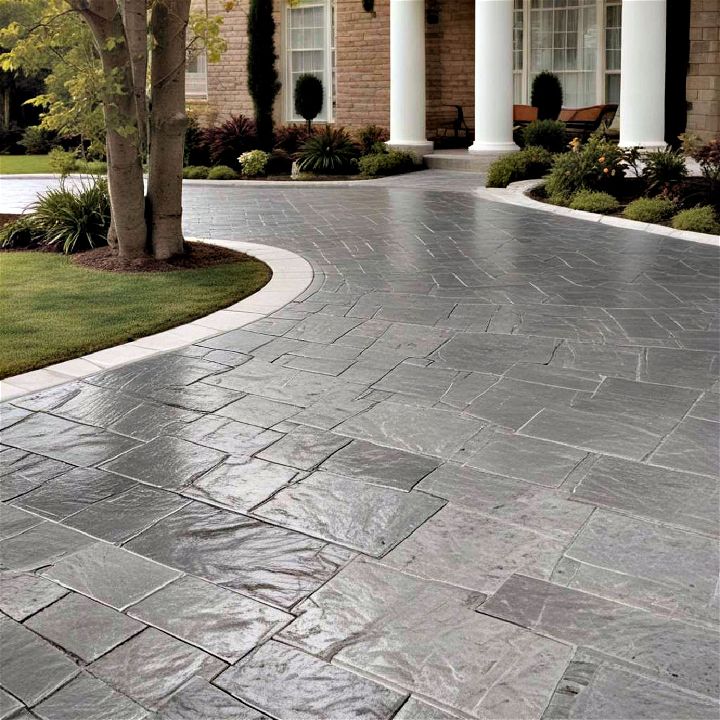
In terms of improving the facade of your home, not many enhancements offer as much benefit and aesthetic appeal as a well-constructed concrete driveway. In Ontario, where extreme winter conditions and shifting climate are a concern, hiring the best concrete driveway contractor is essential for ensuring that your cost stands the test of longevity. Whether you're building a fresh driveway or aiming to swap out an existing one, comprehending the intricacies of concrete and the local environment can make a major difference in the outcome.
This definitive checklist will lead you through the key considerations for hiring Ontario concrete driveway experts. From managing the details of material choices to grasping the aspects of local weather influences, you will find informative information to help you make educated decisions. With the appropriate preparation and expertise, you can ensure that your driveway not only improves your home's visual charm but also operates its functional role effectively for an extended period.
The Effect of Ontario Weather on Concrete Driveways
Ontario's particular climate, defined by its freeze-thaw cycles, greatly impacts the resilience of concrete driveways. During winter, temperatures can dip well below freezing, resulting in moisture within the concrete to freeze. When this occurs, the ice swells, and as temperatures climb and the ice thaws, the concrete contracts. This cyclic cycle can result in cracking and surface deterioration if adequate precautions are not taken during installation and curing.
In addition to the freeze-thaw effects, heavy snow and ice accumulation can also pose serious challenges for concrete driveways. The weight of snow plows or the employment of heavy deicing salts can deteriorate the surface of the driveway over time. While road salts are beneficial at melting ice, they can also contribute to the corrosion of metal reinforcements within the concrete, leading to stability issues. Homeowners should research the best sealing products and techniques to protect their driveways during harsh winter months.
Furthermore, the fluctuation in temperatures throughout the year means that adequate planning is necessary when pouring a concrete driveway. Summer heat can accelerate curing, while extreme cold requires extra measures such as using insulated blankets or heated concrete mixtures. Comprehending how Ontario's weather can impact concrete driveways allows homeowners to make informed decisions and ensure their investment is protected against the elements.
Choosing the Correct Driveway Materials and Types
Selecting the appropriate components and design for your concrete driveway is important for both aesthetics and usefulness. In this region, the climate poses unique challenges, so understanding how diverse finishes, such as stamped, broomed, or aggregated, function in cold weather is crucial. Stamped concrete offers a ornamental appearance that imitates stone or block, while broomed provides better grip, making it beneficial during icy conditions. Exposed aggregate combines the finest of both worlds, granting a rough surface with a distinctive look that helps in handling snow and ice.
When considering cement versus bitumen driveways, one must consider lifespan and care, particularly under Ontario's severe winters. Cement parking areas typically last longer than bitumen, providing resilience against freeze-thaw cycles. However, bitumen may be less expensive at first. Each components require certain attention to resist salts used on roads and deicers commonly used in the winter, which can deteriorate surfaces if not appropriately maintained or looked after. Evaluating these factors can help you identify a parking area that is not only strong but also complements your property's design.
Incorporating water management solutions is also vital when choosing driveway components. Properly handling rainwater runoff prevents complications such as frost uplift and wear, which can not only harm your driveway but also your home's foundation. By thinking about porous and permeable options, you can boost stormwater management while contributing to sustainable land design. Ultimately, the appropriate materials and styles will not only improve your home's visual appeal but also ensure that your driveway stands strong through Ontario's difficult atmospheric conditions.
Crucial Aspects for Driveway Installation and Care
When planning your concrete driveway installation, it is important to take into account the impact of the climate in Ontario. The cycles of freezing and thawing can considerably influence the longevity of your driveway. Selecting the right mix formula, such as guaranteeing proper air pockets, plays a crucial function in boosting the tolerance of your driveway against cracking. This forward-thinking approach, combined with adequate curing and maintenance, can help increase the life of your investment.
Additionally, choosing the right finish option, whether it be stamping, broom, or aggregate that is exposed, is essential not just for looks but also for functionality. you could check here has its own requirements for upkeep and traction capabilities, especially in snowy conditions. Consulting skilled professionals to identify the best option for your needs and climate will guarantee both beautiful appearance and longevity.
In conclusion, regular maintenance is essential for preserving the integrity of your concrete driveway. Monitoring symptoms of chipping, flaking, or surface flaking is necessary in taking swift corrective measures. Using effective sealing practices and considering options for driveway drainage can lessen potential issues from snowmelt and road salts. By being preemptive in these areas, you can keep the beauty and functionality of your concrete driveway for many years.